"When I give to my cooperative, my cooperative gives back to me, and my whole community gains." Sirina Zakari, President, Tidlobanye Women Shea Cooperative
In the small community of Sakore, the days begin early. Long before the sun climbs above the horizon, women like Sirina Zakari are already at work, sorting shea nuts, tending to cowpea plots, and doing what women in rural agricultural communities across West Africa have always done: holding their families together through the labour of their hands.
Sakore is a small rural community in the West Mamprusi Municipality in Ghana’s North East Region, an area whose capital is Walewale. It is largely agrarian and characterized by rural livelihoods, limited infrastructure, and strong traditional social systems. Most women depend directly on smallholder agriculture for their income and food security
For years, Sirina farmed and aggregated largely on her own terms and on her own limitations. She was hardworking, resourceful, and determined. But without access to finance, structured market linkages, or the collective power that comes from solidarity, her efforts could only take her so far. She was giving everything she had, but the returns were constrained by the boundaries of what one woman, working alone, could realistically achieve.
When a women's cooperative was established in her community, Sirina felt something shift immediately.
"I was expecting that joining the cooperative could bring improvement in my access to finance and the food security of my family," she recalls.
The Tidlobanye Women Shea Cooperative, primarily engaged in shea nut aggregation, offered that promise of progress. But before Agriterra's Acting Now project arrived, members still faced a punishing cycle: seasonal shea income that rarely stretched far enough across the year, leaving women financially vulnerable and, in the worst months, food-insecure.
THE ACTING NOW TURNING POINT
The Acting Now project, funded by the Ministry of Foreign Affairs of the Netherlands, through the Inclusive Green Growth Department and implemented by Agriterra, supports women's cooperatives across key agricultural value chains in Ghana, including shea and cowpea, through organisational strengthening, financial literacy training, climate-smart farming practices, and the establishment of Village Savings and Loan Associations (VSLAs). Its goal is to build resilient, self-sustaining farmer organisations in which women can thrive as producers, entrepreneurs, and leaders.
The Acting Now project came to Sakore in 2023 with a multi-layered intervention designed to address the cooperative's core challenges. Agriterra supported the establishment of a financial service business unit built on the Village Savings and Loan Association (VSLA) model, giving members their own internal mechanism to save regularly and access credit. For women long excluded from formal finance, this was a breakthrough.
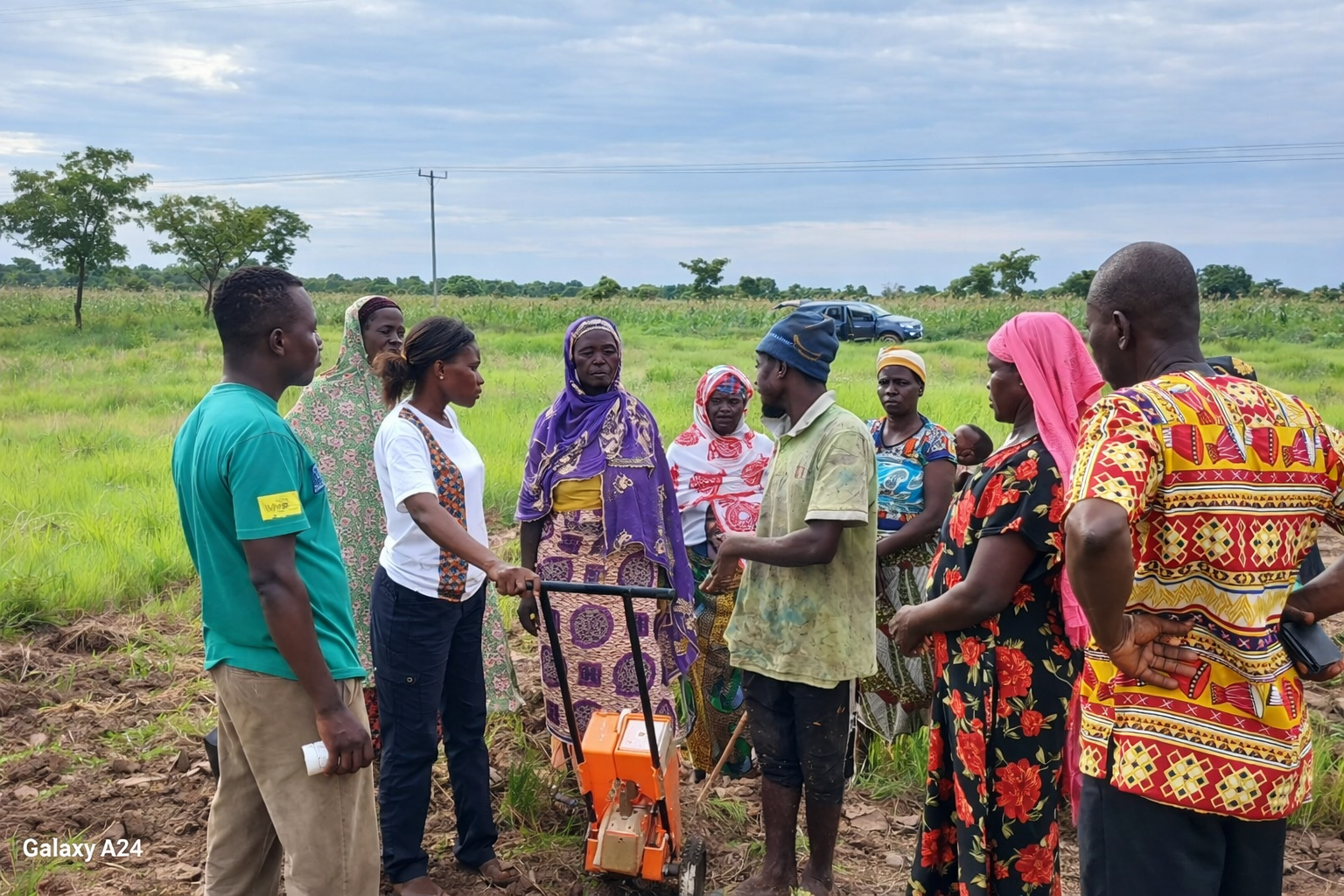
Simultaneously,the project facilitated capacity training in climate-smart farming and diversification into cowpea production. In total, 140 women received training in sustainable cowpea production and financial literacy, and extension services. Previously inaccessible, became available through the cooperative for the first time.
"From this training, I got convinced to start using improved cowpea seed and the yield I got from my small plot of land improved above previous years." - Sirina Zakari
WHATSHE GAVE - WHAT SHE GAINED
Sirina embraced every opportunity the project offered. She attended trainings, committed to the VSLA savings process, and applied what she learned on her farm. The results followed.
"Before Acting Now, access to finance was very limited, but now the situation has changed because the cooperative-led VSLA facilitated by Agriterra has become our internal medium for savings and acquiring credit," she explains.
With that credit, Sirina launched a cowpea aggregation business - a second income stream that combined with her existing shea work, now provides her with year-round revenue and food security.
"After shea aggregation, I quickly moved to cowpea, providing me with a year-round revenue stream and food security."
The lean, uncertain months of the past are behind her. In their place: stability, agrowing enterprise, and the confidence of a woman who gave - and gained far more than she expected.
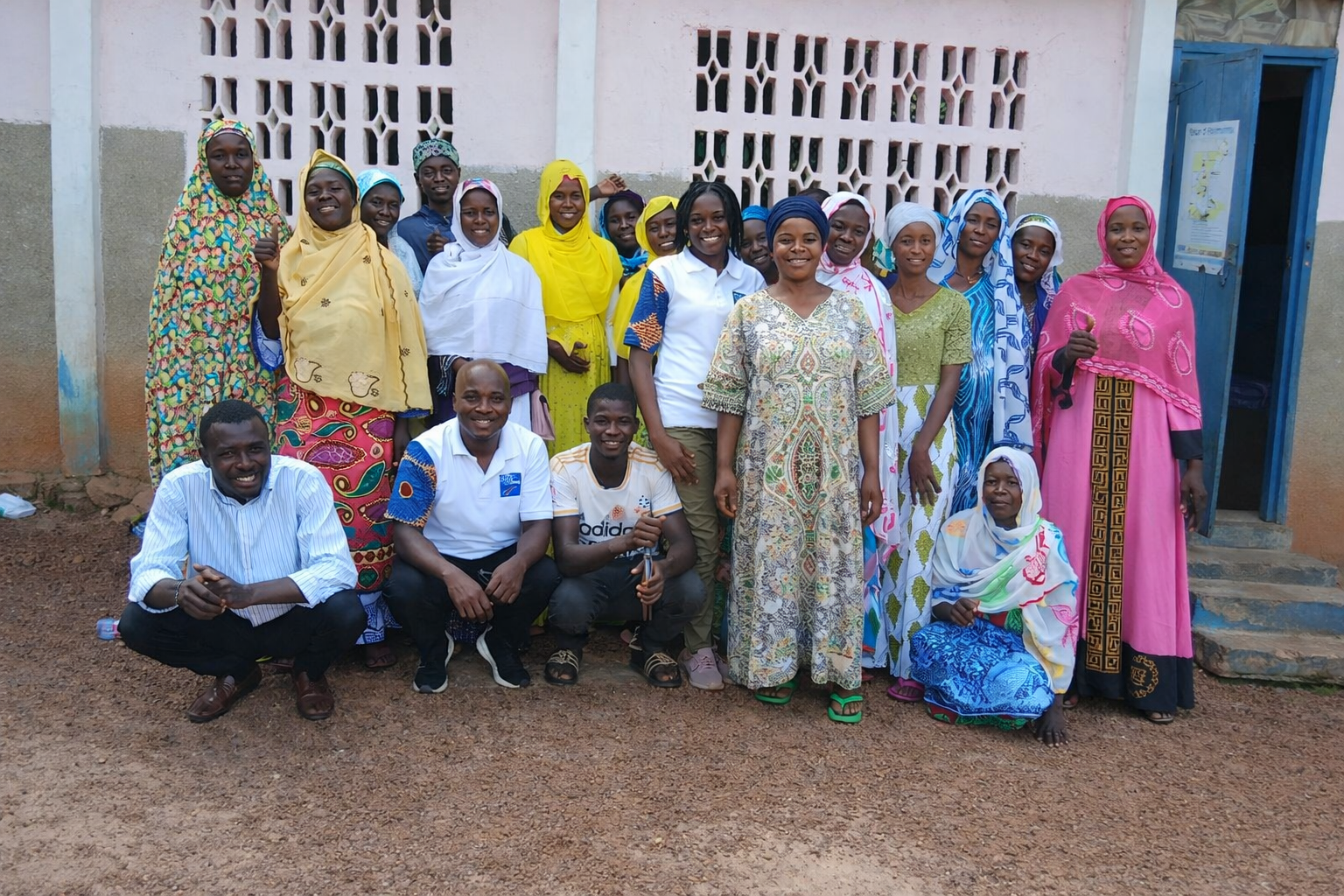
Sirina now serves as President of the Tidlobanye cooperative, leading the same women who once shared her struggles. The 140 trained members are not simply better farmers or savers; they are better positioned to feed their families, mentor others, and advocate for their rights. This is the multiplier effect of investing in women's cooperatives: when one woman gains, her whole community gains with her.
HER MESSAGE TO THE WORLD
"As women in agriculture, our greatest need is financial support - because when you build our capacity in all the good practices, we need finance to invest in our farmwork to reap the desired result we all want to see."
It is a message that speaks directly to the heart of Agriterra's work, and a reminder that investing in women's cooperatives is not charity. It is a strategy. It is justice. It is, in every sense, giving to gain.
.png)
.jpg)