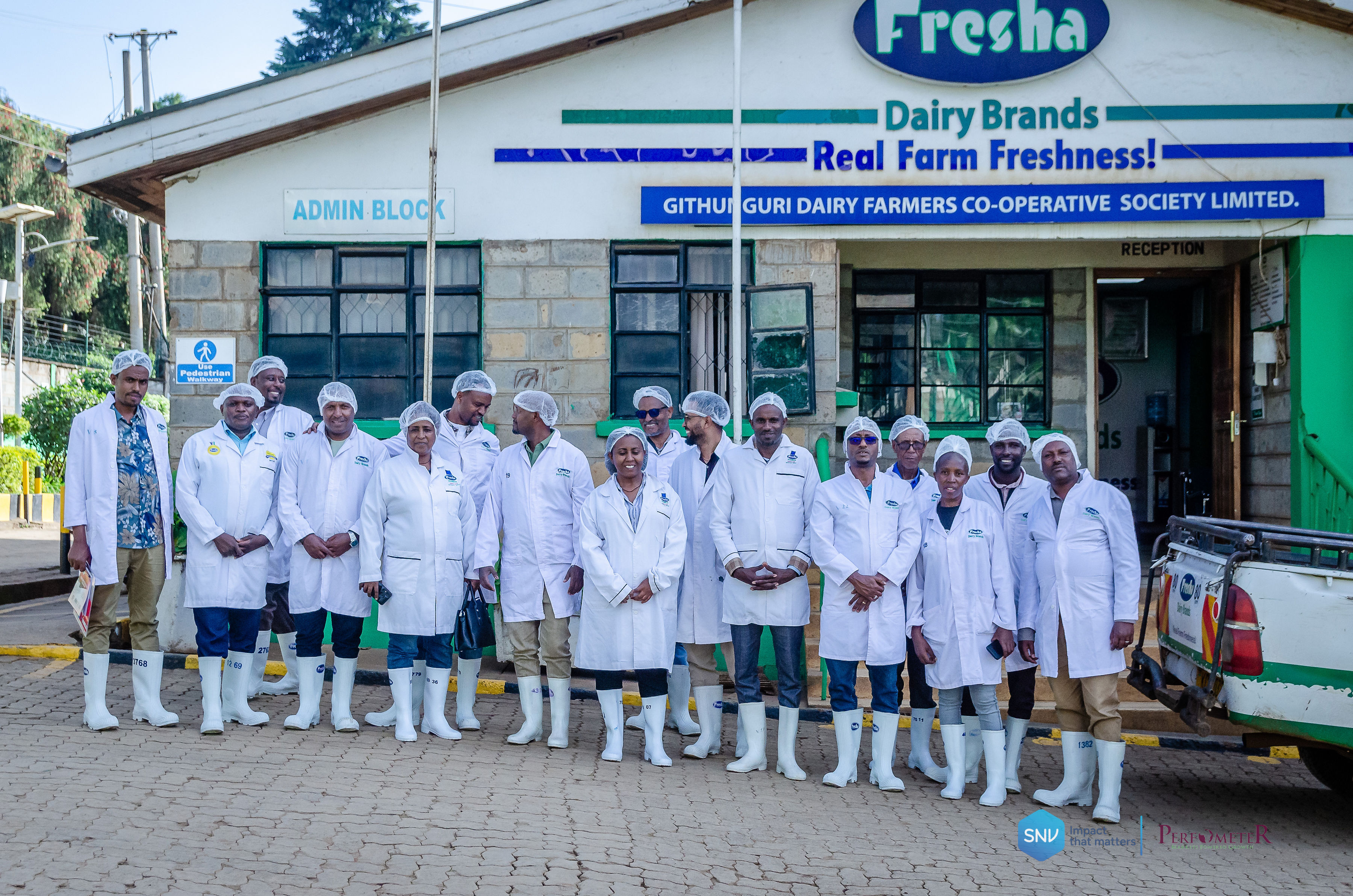
One month after their return home, the energy from the Kenyan learning visit still lingers among the Ethiopian dairy cooperative leaders who took part. For many, the journey was more than a study tour. It was a window into what strong, well-governed, and member-centered cooperatives can achieve when farmers lead with purpose, accountability, and vision.
From 2–9 November 2025, six dairy cooperatives from Selale, Debre Birhan, and Bahir Dar Milksheds, two agro-input dealers, representatives from government institutions, team SNV and Agriterra travelled across Kenya’s vibrant dairy landscape. The study tour organized by SNV through the BRIDGE+ project highlighted the good practices and the working system that proves what is possible when cooperatives are trusted, empowered, and well-managed.
Strong Governance: The Foundation of Cooperative Success
At Fresha, Sabatia, and Mumberes, what stood out was not the shiny infrastructure but the governance that works. Clear elections, term limits, active AGMs and well-defined roles between boards and management gave cooperatives the stability to grow.
Leaders observed how Kenyan cooperatives have built a culture of accountability:
- Village-level representation
- Transparent communication
- Professionalized management
- Strategic plans updated and used not shelved
For Ethiopian cooperative leaders, it was a reminder that good governance is not an abstract concept buta daily practice that shapes trust and long-term growth.
Trust Built on Payments, Services, and Respect for Members
In every cooperative visited, trust was practiced. Farmers deliver milk confidently because payments arrive on time, every time. Cooperatives invest in their members through artificial insemination services, feeds on credit, field extension, and strong SACCO linkages. They offer more than a market; they offer reliability.
The delegation was particularly inspired by:
- Kirima Slopes and Kiambaa Dairy Cooperatives regular training, farmer sensitization, and extension visits
- Kirima Slopes’ inclusion of women up to 30%
- Fresha’s commitment to prompt payments
- Mumberes’ youth in leadership and innovation (successor leadership)
- Kiambaa’s service-based member engagement model
These experiences reinforced an essential truth that cooperatives thrive when members feel valued, informed, and supported.
Quality from the Farm to the Factory
Kenya’s consistent focus on milk quality was not accidental. It was systematic.
The delegation saw how:
- Fresha coordinates up to three times daily milk collection from 84 centers
- Kirima Slopes uses cooling hubs and trained motorbike transporters
- Mumberes deploys instant chillers and quality-based payment systems
Quality testing was a backbone of the business and not a box to tick. This level of discipline strengthens market position and ensures farmers benefit from premium pricing and consistent demand.
Value addition further strengthens cooperatives’ resilience. Fresha, Mumberes, and Kiambaa have invested in processing facilities producing pasteurized milk, yogurt, and fermented products, boosting profit margins and reducing reliance on raw milk markets.

Digital Tools That Strengthen Transparency and Efficiency
From ERP systems to digital payment records, technology has become a quiet but powerful enabler in Kenya’s dairy sector.
The Ethiopian delegation learned how digitalization:
- Cuts errors
- Builds trust
- Reduces disputes
- Supports real-time decision-making
Kiambaa’s innovative use of WhatsApp groups, online modules, and DigiCow videos showed how digital extension can reach farmers faster and more affordably. Mumberes’ integration of digital milk collection systems allows for real-time data capture during pickup

Continuous Learning Through Extension Services
Across the cooperatives, extension support was a central activity to the cooperative model.
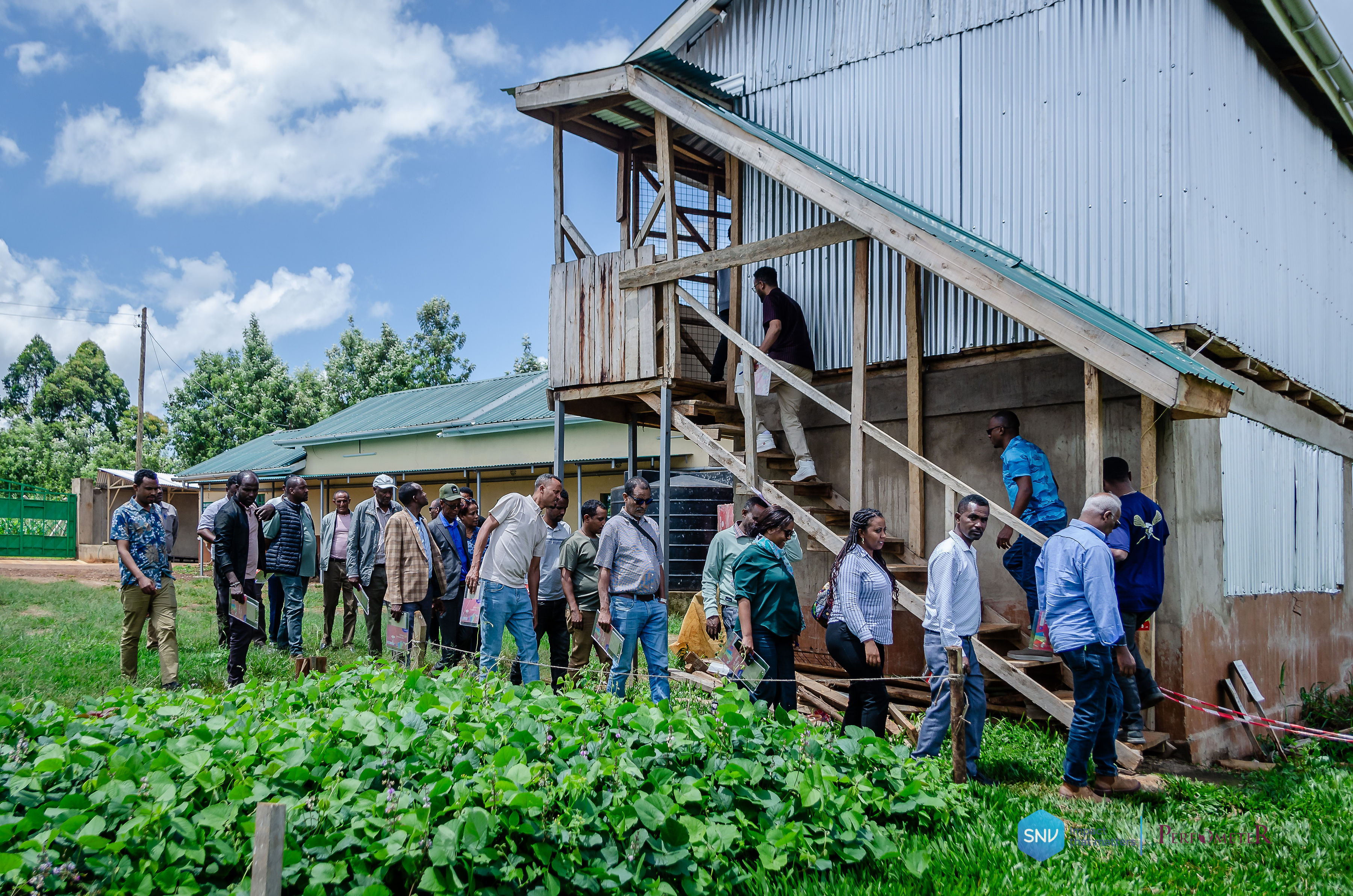
Fresha’s demonstration farm, Mumberes’ Model Learning Center, and Kirima Slopes’ field trainings showed how hands-on learning improves animal husbandry, productivity, and milk hygiene.
For many delegates, this reaffirmed the need for robust, farmer-friendly extension systems at home.
Financial Sustainability through Discipline and Member Confidence
Sabatia and Mumberes demonstrated what disciplined financial management looks like:
- Clear planning
- Diversified income
- Transparent reporting
- Strong cost control
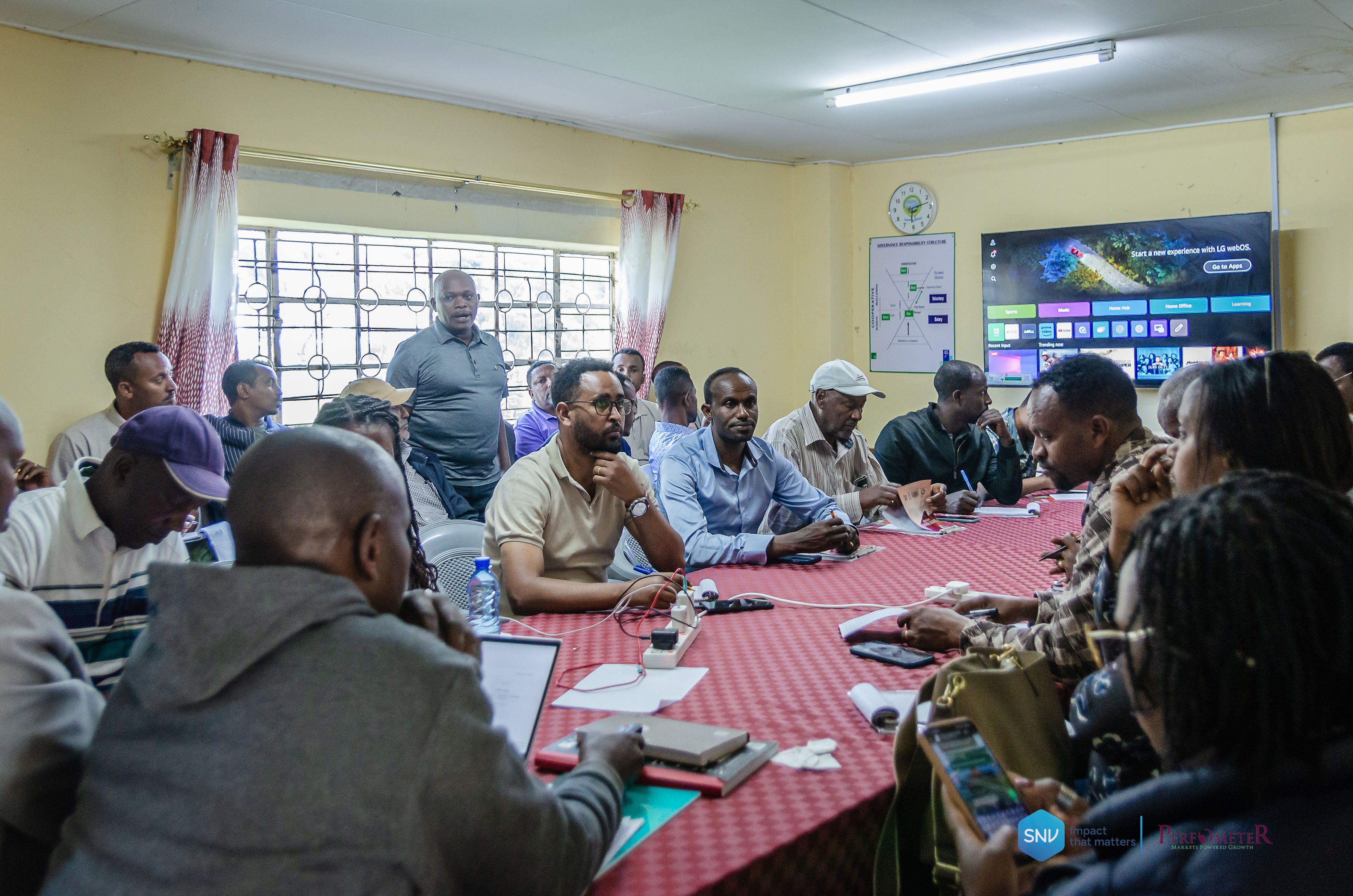
Regular AGMs and open financial discussions have built member confidence—something Ethiopian cooperatives are now seeking to strengthen even further.
Why This Visit MattersToday
A month later, the lessons from Kenya continue to shape conversations among the Ethiopian participants. They returned with renewed clarity:
Strong governance, reliable services, quality assurance, and digital systems are not luxuries. They are the pillars of a modern cooperative.
The experience has inspired practical steps that Ethiopian cooperatives can adapt:
- Embedding extension through milk collectors
- Strengthening member services
- Scaling digital systems
- Enhancing governance structures
- Establishing model cooperatives as learning hubs
The visit was more than exposure, it was a blueprint for what’s possible when cooperatives lead from the front, supported by effective systems and member-centered thinking.
Agriterra is honoured to have facilitated this exchange, reaffirming our commitment to strengthening farmer-owned businesses—sowing today, thriving tomorrow.
A Message from Agriterra Project Lead, Mesay
“This visit was important because seeing is believing. We wanted our Ethiopian cooperative leaders to witness models that are not theoretical, but practical and achievable. By visiting cooperatives supported by Agriterra Kenya, our teams could engage directly with peers who have walked the same path. Cooperatives that once faced similar challenges but transformed through better governance, stronger services, and disciplined business management. This experience equips our leaders with confidence and clarity as they return home to strengthen their own cooperatives.”
- Mesay, Agriterra Project Lead
Sowing Today, Thriving Tomorrow
This visit reflected Agriterra’s commitment to building strong, future-ready cooperatives across Africa. As we often say, “Sowing today, thriving tomorrow.” And through this experience-sharing journey, Ethiopian and Kenyan cooperatives proved that when farmers unite and learn from each other, together we sow the seeds of change.
Together with the BRIDGE+ Project partners, SNV and Wageningen University Research, Agriterra remains honoured to stand alongside these cooperatives, supporting their growth, strengthening their leadership, and helping them shape a dairy sector where farmers truly thrive.
BRIDGE+ is a five-year (2023-2028) dairy development programme in Ethiopia. It is implemented by a consortium formed by SNV (lead), Wageningen Livestock Research, and Agriterra. The program is active in 10 regions in Ethiopia: Oromiya, Amhara, Tigray, Sidama, Southwest, South and Central Ethiopia, Addis Ababa, Dire Dawa, and Harar

.png)
.png)
.jpg)